
Burnout
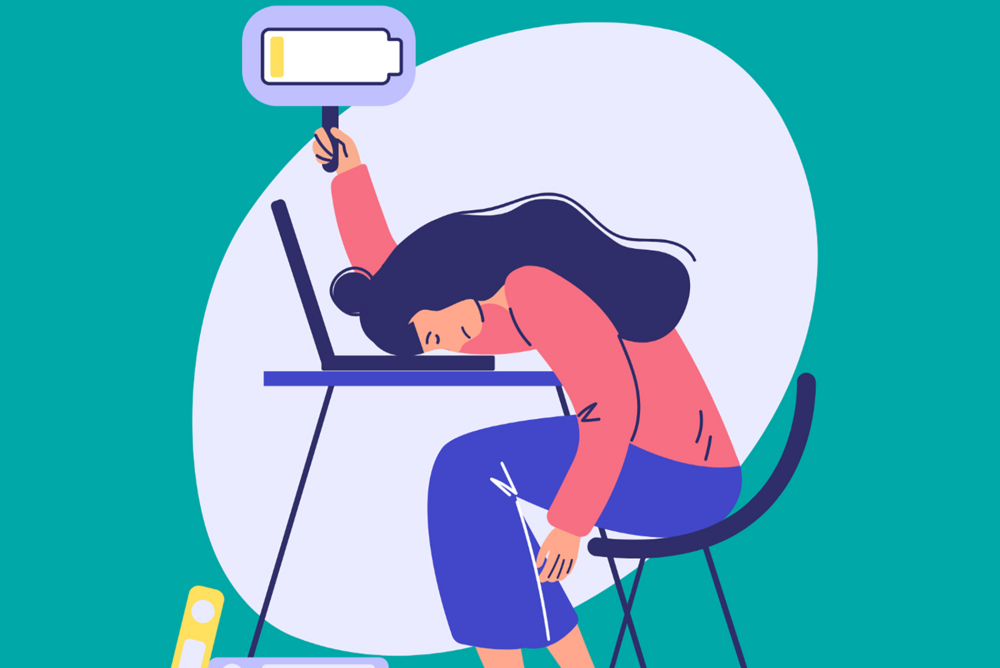
Burnout is a phenomenon described as complete physical and mental exhaustion. Burnout typically occurs after periods of excessive and prolonged stress without adequate resources. It is a multifaceted condition that can happen in the workforce, academically, or personally. It is especially prevalent among students who have jobs outside of school, with little time to recuperate from their workday.
Studies have found that individuals are becoming increasingly burnt out, with young adults and women at the top of that list. Since 2019, reports of burnout have more than doubled, exacerbated by the COVID-19 pandemic (Smith, 2023). Transitioning from lockdown back into the hastiness of everyday life has left individuals with more depression and symptoms of burnout than ever before. We live in an era where loneliness levels and depression are reaching an all-time high, and people are becoming increasingly disconnected from each other. The high-pressure demands of society and social media can also accelerate this condition.
Understanding burnout, its symptoms, and how to overcome it is essential. Several studies revealed that university students with symptoms of burnout are more likely to develop eating disorders, sleep disorders, addiction, and mental health issues (Fiorilli et al., 2022). Female students were also more at risk of experiencing burnout due to exhaustion and cognitive and emotional impairment than their male counterparts (Fiorilli et al., 2022).
This article will address burnout's symptoms, triggers, and impact on the body and develop self-care strategies to help cope with this phenomenon. Creating a healthy work-life balance is crucial to lessening the effects of burnout.
Understanding
To start understanding what burnout is, we first have to recognize that it affects more than just our mental state of self. Burnout is described as complete physical, mental, and even emotional exhaustion. Often, someone can experience burnout in just one of those categories or all three, depending on their situation. For example, students may experience burnout from trying to meet their increased work expectations. Otherwise, they may feel emotionally fulfilled through a sense of community with their fellow peers. Another student may not have that sense of community, so they may experience mental and emotional burnout but feel no physical burnout. Each case is different and will vary in intensity from person to person, but each case of burnout will leave someone feeling as though they are not adequately fulfilling their current role correctly. As it continues and intensifies, burnout can cause particularly alarming consequences to the body and mind. Now that we know burnout affects more than just our mental state, let us discuss what can cause burnout, what burnout symptoms look like, and the lasting impacts burnout leaves.
A multitude of different factors can cause burnout. Having an intense workload, feeling like you lack control in life, insomnia or other sleep issues, lack of a sound support system, social isolation, having a lack of some type of reward for your efforts, and having little sense of community are all common triggers that can easily lead to burnout. Constantly putting a lot of time and effort into jobs and school with little reward can cause much stress without nourishing motivation to continue. This is especially difficult if the effort you put into something requires putting rest on hold to keep up with your responsibilities. Burnout creates a sense of isolation and a feeling of “not fitting in” with our peers. No matter the cause or how many play into the situation, symptoms of burnout negatively affect our mental state and body.
How damaging can symptoms and signs of burnout be? Some symptoms of burnout are similar to those of depression and anxiety, as well as other mental health issues. Cynicism and feelings of inadequacy are common symptoms, as well as an absence of positive emotions. Irritability, confusion, loss of self-confidence, and isolation are common, too, as many who experience burnout often experience social and emotional withdrawal. Physically, someone experiencing burnout is likely to deal with fatigue, changes in appetite and sleep, stomach issues, lower back pain, and headaches. These symptoms can be chronic and repeat several times unless action is taken to cope with burnout. Finding a balance between rest and work is crucial to avoid a constant cycle of exhaustion.
Burnout symptoms are severe, and depending on the intensity and how long it goes on, the body and mind can take months to several years to recover from it. Mental health issues can develop from burnout. With these things in mind, it is easy to see how burnout can negatively impact someone's work performance abilities. For example, a student or employee going through burnout is likely to be experiencing fatigue, so focusing in class or at work takes much more effort and opens the door to making mistakes. Burnout symptoms negatively affect studying, too, making it challenging to keep up. Focus is an essential part of anything we do, and trouble with that eventually bleeds into everything we are involved in. Once symptoms are experienced, it is like a circle that feeds into itself, constantly reinforcing the burnout to continue. Now that we understand more about the seriousness of burnout, let us look at prevention and how you can overcome it.
Preventing
College students often feel the pressure from school, peers, and jobs. Avoiding burnout is learning to manage responsibilities on time (Carlton, 2023). Taking on extra assignments that are not necessary can leave students drained. That means doing something other than avoiding what you are assigned. However, it is essential to think about where to cut back. It is imperative to prioritize the things that matter the most. Time management goes hand-in-hand with learning when to say no. There is a name for this problem: the planning fallacy. It is when someone underestimates the time needed to complete what is assigned. Time management skills will allow one to work efficiently and effectively. Allowing more time and avoiding procrastination is imperative. Chronic procrastination leads to chronic stress, anxiety, illness, poor health, and burnout.
Students who need more sleep or exercise experience burnout at a higher rate. Getting enough sleep and increasing physical activity contribute to better mental health (Carlton, 2023). The National Sleep Foundation has reported a direct connection between sleep deprivation and the lack of cognitive functioning. Find a physical activity you enjoy, whether walking, lifting, or intramural sports.
However, taking on too much is directly correlated to stress and setting unreasonable goals. It is essential to take a realistic approach to goals. Packing one’s schedule or trying to cram studying in one night is not ideal. It can take a toll on mental health (Carlton, 2023). Academics are a significant part of college. However, packing every hour of our lives with schoolwork is another sure way to experience burnout. Setting aside work and making time for fun with peers can help prevent burnout. Prioritize connecting with those who matter the most to you. Give yourself a mental break from the stress of academics so that you can return feeling refreshed.
If you have experienced burnout, just know that you are not alone. Most college students experience burnout. Learning how to get help is vital. Leaning on those around you can help. Ask professors for extensions, and when you have three exams in one day, instead of studying all three, ask to reschedule. Look into your college’s mental health resources. Talking to a counselor can help students strengthen their stress management skills and coping skills before they feel burnout.
Overcoming
Once one has recognized that they are experiencing burnout, steps to overcome it should be taken promptly to prevent mental exhaustion from worsening. Mindfulness and meditation have become increasingly popular methods of overcoming burnout. Focusing on living in the moment and being connected emotionally and physically can prevent the mind from wandering to other stressors and lingering feelings of inadequacy in work or school. If one feels they cannot control the burnout independently, they must seek support. Speaking to coworkers and bosses can help sort out some of the sour emotions one may be experiencing in the workplace and allow those in charge to understand and consider the emotional changes their employee is going through. Therapy services may even be helpful for those like first responders who witness trauma as part of their daily job in fields where burnout is exceptionally high, such as emergency services and teaching. Taking a break or vacation can help one feel refreshed and balanced so they can return relaxed and ready to tackle new challenges. Remembering the passion one initially felt while selecting a job can replace the feelings of burnout with feelings of purpose. This could be increased by partaking in philanthropic and volunteer work related to their passion. Still, it is essential to note that taking on too many responsibilities outside of work could further increase feelings of burnout, and employees should only be committed to doing so when it can be done without the risk of further depleting their emotional resources. Specific fields of employment have even coined phrases such as teachers being told to ‘remember your why’ when facing struggles at work to remind them of their passion for educating their students. Alleviating burnout has become an increased area of interest in employers who want their employees to want to come to work. Some places of employment offer frivolous rewards, such as pizza parties, in hopes of helping their employees feel appreciated. Still, studies have shown that feelings of appreciation come from more concrete examples such as higher pay and more paid time off.
To summarize, burnout is not unique to one specific group of people. Burnout can be experienced by anyone from the CEO of a million-dollar company to a stay-at-home mother caring for her family. Burnout is recognizable as symptoms that may even be similar to depression, including increased feelings of tiredness, loss of interest, and decreased productivity. Preventative measures can be taken to avoid burnout. However, in today's power-driven society, it may be overlooked in favor of taking on more accomplishing tasks. Though some struggle with the stereotypical belief that self-care may come off as weak or emotionally unhealthy, it is crucial to maintain a healthy work-life balance and avoid burnout.
References