
Motivation of Caffeine Addiction Among College Students
Betsy Ding, The Student Life
Wake up, pour a cup of coffee, and start your day. It is the same routine every morning. Maybe have another cup or two of coffee throughout the day. Maybe have an energy drink or some black tea. These drinks seem like nothing when going about our day to day lives, but their caffeine can add up very quickly and cause our body to develop an addiction. How much is too much, how does one recognize their addiction, and how can they stop?
Caffeine addiction is a growing concern, as students increase their consumption to combat stress, late nights studying, and busy schedules. Take our friend Sarah for example, she is a college student who has always relied on coffee to help her get through busy school days. She started drinking coffee regularly in high school to stay alert in early classes. Now as a college student juggling a full course load and part-time job, her coffee intake has steadily increased. She used to drink a small cup or two of coffee each morning. But over the past year of college, Sarah finds herself drinking up to 3 or 4 large coffees every day. If she doesn't have her usual caffeine fix, she gets bad headaches, becomes irritable, and struggles to focus on her work. Sarah knows she is dependent on caffeine and has tried to cut back but experiences withdrawal symptoms like fatigue, headaches and difficulty concentrating. She tells herself she cannot get through the demands of college without caffeine because it energizes her. She also does not sleep well anymore and sometimes feels her heart race. Deep down, Sarah worries about the long-term effects of drinking so much coffee daily. Sarah's scenario represents how easy it is to develop a dependence on caffeine during high stress times. Caffeine addiction can sneak up through escalating intake. Taking a step back to reset habits and find healthier ways to boost energy and focus could really benefit Sarah's overall well-being.
Do college students (ages 18-24) consume large amounts of caffeine?
In a series of Instagram polls we conducted, we found that most college-age students drink normal amounts of caffeine (95-200mg daily). Instagram viewers were asked to answer three questions. All the questions had an option for a response of “I do not drink caffeine” to avoid skewed responses of people randomly answering. For this blog we will not be including those who answered, “I do not drink caffeine.” With each of the caffeine milligram amounts, we specified how many cups of coffee or how many energy drinks it would be. One cup of coffee is about 95mg of caffeine and one energy drink is about 200mg of caffeine. Figure 1 represents our first question: Do you feel you are addicted to caffeine?
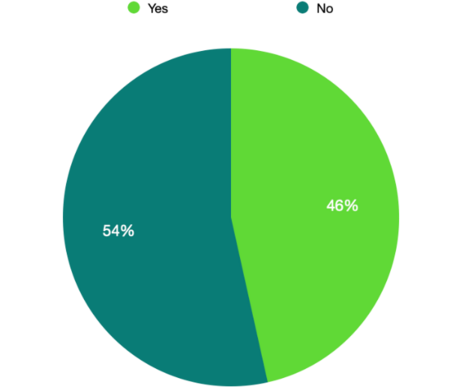
Figure 1
Do you feel you are addicted to caffeine?
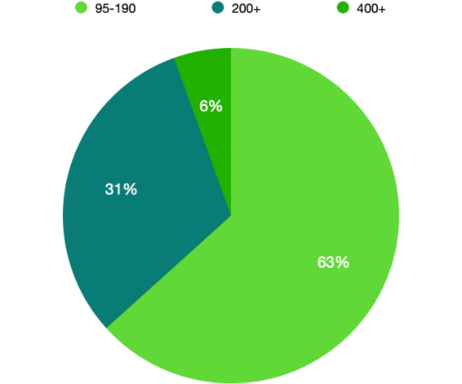
Figure 2
How many mg of caffeine do you consume daily?
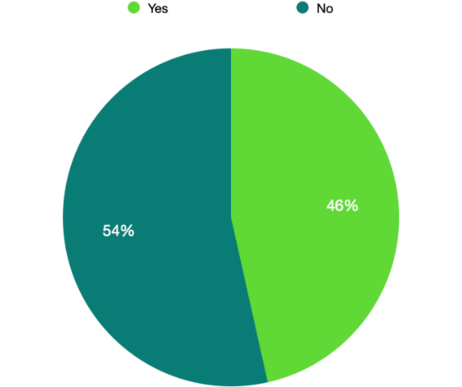
Figure 3
Do you feel you experience withdrawal symptoms?
Many of the respondents do not feel they are addicted to caffeine, but most of our respondents consume 95-100mg of caffeine daily, as shown in Figure 2. This is not necessarily a large enough amount to cause withdrawal symptoms, but it was intriguing that we had more people answer yes to withdrawal symptoms, than those who answered yes to daily consumption of our two largest caffeine amounts—200+ mg and 400+mg in Figure 2. In Figure 3 you will see a pie chart that represents our third question “Do you experience caffeine withdrawal?” Following the question, we listed examples of withdrawal such as tiredness, irritability, or headache. Other potential causes could include vaping, stress, or lack of sleep. Daily caffeine consumption over 350mg is enough to trigger symptoms of withdrawal if an equal or lesser amount of caffeine is consumed (Alberta Health Services, 2023).
What motivates college students to consume caffeine?
Students may choose to consume caffeine for many reasons such as tiredness, taste, workouts, or peer pressure. Caffeine companies are exceptionally good at advertising and targeting specific generations. College campuses are often sponsored by caffeine companies. Saginaw Valley State University has a caffeine partnership where Redbull will sponsor their energy drinks being passed out to students during exam week. Vending machines on campus are often fully stocked with a mix of caffeinated beverages like Monster, Celsius, and Reign. This allows for easy consumption access as students are making their way to and from classes. Social media platforms are also commonly sponsored by brands like Celsius, and these influencers are getting paid to encourage people to consume caffeine. Other forms of caffeinated products like powder pre-workout mix encourages people to consume more caffeine. College students have influences from many places telling them to drink caffeinated beverages, as well as drinking it because they feel it is needed. Pre-workout “acts like a turbo-boost to your system” (Cleveland Clinic, 2023). People enjoy this boost of energy that allows them to do more physically demanding exercises at the gym with less exhaustion. Social media plays a significant role in glamorizing caffeine consumption. From the ads you see, or posts made by influencers they’re all promoting the newest and greatest energy drinks out on the market that you need to get your hands on. Many people, when they see these things, feel inclined to try or get behind the promotion of this new drink. For example, Starbucks as soon as fall rolls around everyone knows pumpkin is back and it's time to get that perfect picture with their pumpkin spice latte to share on their social media feed. There is always going to be something new or back for the season to hook you in but there are ways to get your picture-perfect order without consuming caffeine; consider decaf next time.
As college students, we are sure everyone experiences going to bed at 4am only to wake up at 6am to get ready for an 8am lecture. How do we get through the grogginess in the morning? A nice warm cup of coffee or a refreshingly cold energy drink becomes habitual to help you get through your day. Being tired or habitation allows for justification to have that the extra cup or can to help get you through your day, and this justification for caffeine consumption has become socially acceptable. What if this extreme tiredness was a result of the caffeine? When consuming too much the body will become dependent on it and crave caffeine more and more by giving withdrawal symptoms such as tiredness (Maqsood, et al. 2020).
How do you know if you are addicted to caffeine and what do withdrawal symptoms look like?
While many students do not even think of caffeine when they hear the word addiction, it is one of the most addictive drugs we encounter daily. Many addiction professionals think caffeine withdrawal and dependence disorders related to caffeine exist and are clinically important (Budney, et al 2013). The reason many individuals do not see caffeine as an addictive drug is due to a lack of stigma, caffeine has been “well-integrated into our lifestyles” (New Leaf Recovery, 2022). Coffee shops and convenience stores that sell energy drinks can be found on every busy street, yet we do not think twice about it. Caffeine is found in things people would not even think to check for caffeine in such as chocolate, Midol, cold medicine, and other pain meds. Sometimes we do not even know we are consuming caffeine as some medications such as certain pain relievers and cold medicines contain caffeine, however these are required by the FDA to list amount on product. Herbal supplements are where caffeine can really hide as the FDA does not require caffeine content to be labeled on the product (Cleveland Clinic 2020). Research has found caffeine can improve alertness, elevate mood, improved physical endurance, and a more rapid reaction time however, if large amounts of caffeine are consumed, they may be harmful to the nervous system, such as increasing blood pressure, heart rate and breathing. Consumption may also trigger anxiety, jitters, and/or lead to trouble sleeping (Walsh 2023). Even if copious amounts of caffeine are not consumed, physical dependence on caffeine can produce withdrawal symptoms. This may have even more adverse effects on the body such as irritability, trouble concentrating, headaches, and dizziness or feeling shaky (New Leaf Recovery 2022). Having these adverse effects when caffeine is not in the system may be an indicator of caffeine addiction. Craving caffeine and having the inability to reduce or quit caffeine use is a strong indicator of being addicted to caffeine. People tend to crave the taste of caffeinated beverages like coffee or certain energy drink flavors. This can lead to an increase in consumption even if they are not drinking it for the burst of energy. Being addicted to caffeine and abruptly quitting can lead to worse symptoms such as muscle pain, stiffness, vomiting, nausea, cardiovascular problems, calcium deposition and decrease in bone density (Maqsood et al. 2020). Overall, while caffeine is an overly consumed addictive drug with positive perceptions, knowing what caffeine addiction looks like is beneficial for many.
What motivates students to stop drinking caffeine and how can they stop?
People can choose to stop drinking for many reasons such as: doctor recommendation, heart problems, cost, inability to sleep, or jitteriness. College students may be particularly cost sensitive. Energy drinks can range anywhere from two to four dollars each, and a cup of coffee can cost twice as much if not more. These prices add up quickly and can be hard to fit into a college budget. Caffeine causes your heart rate to increase, which is another reason someone with heart problems may choose (or be encouraged by a doctor) to stop consuming caffeine. As mentioned in section 3, caffeine consumption can cause people to be jittery and have a challenging time sleeping. These are factors that some people may choose to ignore because of how good the beverage may taste or because they think they still “need” the caffeine, but others may choose to take their health and well-being into account and quit their addiction.
In an article published by Cleveland Clinic, “Caffeine: How to Hack It and How to Quit It,” the topic of withdrawal is very prominent. On average, people in the U.S. consume about 200 milligrams of caffeine each day. It depends a lot on tolerance, weight, medications, and age to know if this is an addictive amount, but 350 milligrams is considered to be addictive for adults. If one notices that they are becoming addicted to caffeine, they can choose to avoid caffeine and stop “cold turkey” of gradually remove caffeine from their diet to decrease the likelihood of withdrawal symptoms. After consuming caffeine, the drug is typically present in your body for about 10 hours, even if you do not feel the effects of it.
If you are looking to avoid the headaches that come with quitting caffeine, do not stop cold turkey. Stop slowly by introducing decaf coffee into your routine by replacing a cup or two of coffee with the de-caffeinated alternative or switching between decaf and caffeinated coffee. Once you notice your body responding less to the decrease in caffeine, remove more caffeine from your routine until there is no longer caffeine present. Do not be discouraged if you are still feeling symptoms of withdrawal a week after you have fully stopped drinking caffeine as symptoms can last up to 12 days after your body has fully removed caffeine from your body. Caffeine is fully gone 10 hours after consumption. Even though you may not be drinking caffeine on a regular basis anymore, it is still okay to consume some caffeine here and there. One cup of coffee once or twice a week is not going to be enough to cause the brain to be addicted again, it is all about moderation (Cleveland Clinic 2020).
Sarah's Solutions
While she wants to cut caffeine out of her life, Sarah realizes this is not something that can happen overnight. Sarah could gradually lower her daily coffee intake, by swapping caffeinated coffee for decaf or non-caffeinated tea. When quitting caffeine, staying hydrated, receiving adequate sleep, or exercising regularly, can help. Having caffeine is still okay but, limiting the intake, trying supplements, stress management, and seeking medical support if needed to break the caffeine addiction cycle are all great solutions. With a combination of lifestyle changes, discipline around caffeine consumption, and healthier coping strategies, Sarah can reset her habits and find a more balanced approach to staying energized. Addiction is not always easy but realizing you’re not alone and there are viable solutions that make it easier to take a step towards change.
Moderation and self-awareness are key when it comes to caffeine; while caffeine can provide temporary boosts in energy and focus, developing healthy sleep routines, stress reduction practices, and good study skills are more effective long-term strategies. Monitoring and limiting caffeine intake help prevent addiction and promote optimal student health and academic performance.
References