
Motivational Barriers to Healthy Eating
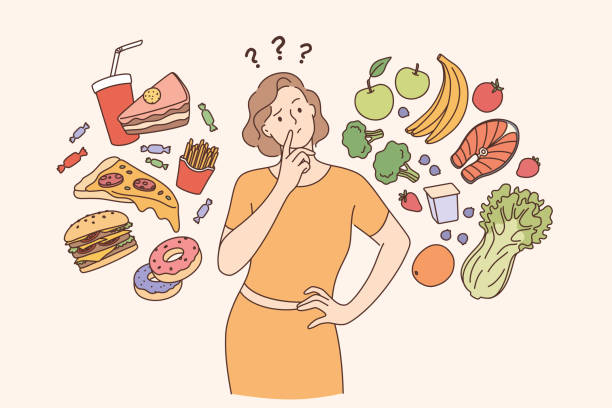
Image from Shutterstock
Motivational barriers to healthy eating are often an overlooked factor in the widespread challenges people face when trying to maintain a balanced diet. While knowledge of nutrition and the benefit of healthy eating is readily available, many individuals still struggle to make health-conscious food choices. The reasons for this disconnect range from psychological and emotional factors as well as environmental influences. Furthermore, societal norms, convenience foods, and misinformation about nutrition can further complicate making positive dietary changes. This blog post will explore motivational barriers that hinder healthy eating while examining how these factors affect individuals’ eating behaviors.
The Target Issue
Motivation is a key factor in adopting and maintaining healthy eating habits including intrinsic and extrinsic motivations. Various issues can interfere with a person’s ability to stay motivated to eat well. One major issue is the lack of immediate rewards for healthy eating. Unlike unhealthy cookies that provide quick gratification, the benefits of eating nutritious foods are often long-term and less tangible and people realize that. The long-term benefits of healthy eating are improved energy, better health, and disease prevention. This can make it hard for people to stay motivated, especially in a culture that often prioritizes instant gratification.
Motivation plays a crucial role in food consumption, but several factors can create barriers that make it difficult for individuals to maintain a healthy and balanced diet. Psychological factors include stress or anxiety. These factors can diminish appetite or create negative associations with food, leading to a lack of motivation to eat properly. Additionally, people may struggle with confusion about what is a healthy diet due to conflicting messages in the media or family members. Society pressures may also influence individuals to conform to certain body ideals, which can result in restrictive eating patterns or emotional eating. Other external factors include time constraints, financial limitations, and limited access to healthy food. Social and environmental influences can further complicate eating habits, making it harder to stay motivated to make nutritious choices. Ultimately, these various psychological, emotional, and environmental challenges can undermine an individual’s motivation to eat in a way that supports long-term health and well-being. These factors contribute to the bigger issue of motivational factors that affect an individual's eating styles.
Who is Impacted?
Motivational barriers to food consumption can impact a wide range of individuals across different demographics, though certain groups are particularly vulnerable. People struggling with mental health conditions such as depression or eating disorders often face significant challenges with food motivation, either losing interest in eating altogether or engaging in unhealthy eating patterns. Low-income individuals and families may also be disproportionately affected, as financial constraints and limited access to healthy food options can make it harder to prioritize nutritious meals. Oftentimes, certain areas in Saginaw, Michigan have limited food options which include KFC, chicken places, and grease spots. These food options contribute to the lack of healthy options. Those living in food deserts, where access to fresh produce and affordable groceries is scarce, are also at risk.
Additionally, individuals with chronic health conditions, such as diabetes, obesity, or gastrointestinal disorders, may face difficulties staying motivated to maintain a healthy diet due to physical discomfort or dietary restrictions. Overall, motivational barriers to food consumption affect people from all walks of life, but those with mental health challenges, limited resources, or specific health conditions are often the most impacted.
Factors
Biology
Biology can be a major factor in one’s decisions to eat certain foods. Everyone’s taste buds are different and are genetically influenced. Someone may prefer to eat sweet, spicy, salty, or sour foods over the other options compared to another person's preferences. Medical conditions may also influence people’s decisions to eat certain types of food such as being diagnosed with diabetes. Having medical conditions that may influence your body's natural motivation to eat foods that are filled with sugar can have negative impacts on our health. Another type of medical condition that may influence people to eat unhealthier is Addison’s Disease. This disease, just like some others, causes a person to crave salty foods which can be extremely unhealthy if the body's sodium levels become too high. Our biology may not be possible to change however it can be managed with proper help.
Time Constraints
Time constraints are a major barrier to healthy eating. in today’s fast-paced society, many individuals juggle demanding work schedules and personal commitments hindering their ability to engage in healthy eating. For those with limited time, preparing healthy meals often feels like an additional burden rather than a priority. The convenience of fast food can make it the default option for busy individuals. Individuals often don't think about these foods concerning their sodium and unhealthy fats. Furthermore, the time required to plan meals can discourage people from pursuing healthier options. For those with limited cooking skills or experience, the perceived complexity of preparing nutritious meals can also be demotivating. These time-related challenges contribute to eating less nutritious foods and creating a cycle that reinforces unhealthy choices. This makes it harder to maintain a balanced diet over the long term.
Environment (access, family life, influence, money)
As we know in psychology, environment plays a huge role in not only the development of an individual, but healthy eating habits as well. This section is aimed to highlight the impact of one’s environment on their motivation to eat healthy. Environment could include family life, money, and other influences a that could alter a person’s likelihood to eat healthy. Although the number of studies on environmental factors of nutrition has increased steeply over the last, the studies show that social support, influence (modeling), availability, and accessibility of healthy and less healthy foods are important for nutrition (Berg, 2008).
Individuals are motivated by other urges that need to be satisfied according to Freud psychoanalytic theory “the pleasure principle.” This can be applied to nutrition as it relates to strives that individuals need to fulfill such as hunger. I think that people who are hungrier than others tend to grab the first thing they can find because they are motivated by the pain in their stomach to grab the first food item they see.
Location, as it relates to environment, could contribute to a person motivation to eat nutritious food. If a person is not surrounded by healthier options, they may struggle to buy foods that are high in nutrition. Most people can’t afford to drive on the other side of town to pick up groceries. Low-income individuals are given stores in their communities that have limited produced that is often going bad. Overall, specific social, cultural, physical and economical environmental factors are important for healthful nutrition.
Previous Research
The article that I found focuses on self-control and how motivation affects impulsive processes. The study examines how motivation influences reactions to temptations. Researchers in this study found that motivation based on personal desire ("want-to") reduces the attraction to temptations and leads to fewer obstacles leading to achieving the goal (Milyavskaya, 2015). In contrast, motivation based on obligation ("have-to") does not affect automatic responses to temptations. The researchers found that it is associated with greater perceptions of obstacles and temptations. The findings highlight the importance of motivation and self-regulation in decision-making.
One of the factors that we are researching is an individual's location and diet. The article I found addresses the critical public health issue of food insecurity in the United States, where many individuals struggle to access healthy foods. This scarcity has led to a higher consumption of unhealthy options which increases the risk of chronic diseases. The article emphasizes why individuals often gravitate towards unhealthy options and the importance of improving the food environment to allow access to healthier food choices. The article mentions that as of 2019, 10.5% of Americans experienced food insecurity (Ziso, 2022). Individuals in this situation often rely on food banks, which typically provide limited fruits and vegetables. Food-insecure individuals tend to consume lower-quality diets, primarily obtaining calories from processed foods high in sugar and fats. This contrasts with food-secure individuals who have access to a more nutritious variety of food in different environments. Factors influencing diet quality include local food availability and household income. The article distinguishes between macro-environmental (broad infrastructure) and micro-environmental (local settings) influences on food access (Ziso, 2022). Overall, the article offers insight into one of the factors we are researching regarding motivational barriers and food consumption.
Previous research discussed individual factors that may be related to environmental influences and biology. Researchers believe that an individual’s biology leads to preferences in taste of food as well as motivation to eat salty or sugary foods, (Larson & Story, 2009). Individuals have certain medical conditions that may impact their motivation to eat more unhealthy foods, while there are some medical conditions that cause a person to change their diets to healthier foods to manage these conditions. Researchers also discussed the influence peers have on our choice of food. Growing up in a family that rarely cooks and prefers to get food from the drive through increases the chance of continuing that habit later in life. While if a child grows up in a home that cooks’ meals at home regularly and tries to implement healthier food options into their diet, they are more likely to do the same after moving out of the home. This article was interesting to read as they observed the impact parents have on their children’s nutrition and knowledge of healthy foods. Research suggests that the storage amount of food as well as the type of food can impact people’s decision-making on food options. Another topic in the article that we found to be interesting was that parents' attempts to control their children's eating habits, such as restricting their intake of sweets are linked to overeating and a dislike of the healthier foods they are told to eat, (Larson & Story, 2009). This article illustrates the impact our biology and environment have on our choice of food and our health as we focused on how these topics may influence people’s motivation to eat healthy.
Interviews
Emily's Mom
For Emily’s interview, it was clear that the environment people grow up in influences their decision to eat certain foods. Emily’s mom discussed how her own mother growing up did not really have the skills to cook. Her mother rarely cooked anything and if she did it usually wasn't anything very appetizing. After her siblings and her started to get older her mother quit cooking and for the most part left it up to them to figure out what to eat. Due to this she wasn’t eating very often and when she did eat it was usually something cheap and something she could quickly get such as running through the drive-through at a fast-food restaurant between classes. Since she grew up this way, she became motivated to be able to do better than her mom when it came to cooking and preparing meals for her own family. Today Emily’s mom usually tries to cook every night, with the occasional fast food maybe once or twice a week if she feels like she doesn’t know what to make or doesn’t have much time. She was also asked about what she feels influences people’s decision to eat healthy or unhealthy foods. Her answer was that she thought there are now too many advertisements for unhealthy food compared to when she was a kid. While she did feel like there are numerous different factors that impact our decisions on food she felt like advertising and people’s home life influence us the greatest.
Austin
Austin is a 16-year-old male who was born and raised in Saginaw, Michigan. Austin grew up not having a lot of excess to healthy foods, so he expressed his struggles with childhood obesity. Now that Austin is a teenager, he states that it is a constant battle in his mind to not eat unhealthy foods even though he is motivated to eat unhealthily. He feels that his environment plays a big role in his behavior to eat unhealthily as he works at McDonalds. Austin states that when he is hungry, his body naturally points him to whatever he has access to at the home. If there are no healthy options at the home, then Austin doesn’t eat healthy. This brings up at the point that parents essentially control a minor’s diet until they are of the age to buy their own groceries meaning that it’s hard for minors to make healthy choices when their parents are not making that another barrier to motivation and healthy eating.
Conclusion
Overall, it is apparent that many factors impact our motivation to eat healthier foods. We can see this from the articles we researched, as well as from the interviews we conducted. While at times eating something healthy won’t necessarily harm you, continuing to create bad habits of eating fried or sweet food can eventually cause medical issues. We feel it is important for more people to understand the impact our food choices have on our lives, not just physically but also socially and mentally. Motivational barriers are important to keep in mind and the whole point of our research was to examine these barriers as it relates to motivation. We also believe that there should be more healthy food advertisements, along with better access to fresh produce. If we focus more on teaching ourselves and our kids how to cook proper meals hopefully the health of America can increase in the coming years.
► Listen to our Podcast!References