
The Role of Motivation in Addiction
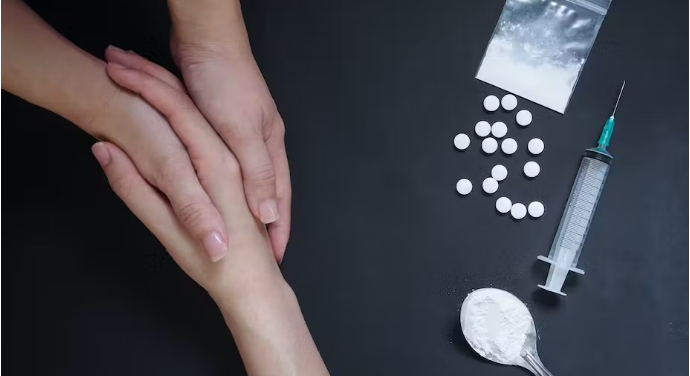
Image from Addiction Treatment Services
Addiction is a chronic condition that is quite prevalent in society today, even though it is a topic that is often swept under the rug. A person struggling with addiction engages in a particular behavior that they find irresistible or enjoyable enough to partake in, even when it results in negative outcomes. Motivation plays a key role in addiction, especially in terms of overcoming the battle. This article will examine the complex struggle of addiction, as well as the interplay of intrinsic and extrinsic motivation in regard to overcoming the odds and regaining control.
- Understanding Addiction
Addiction is the obsessive urge for and the use of a substance that forms habits. According to an article published by the National Library of Medicine, about twenty million people had a substance use disorder (SUD) in 2016 (Gressler et al., 2019). Addiction affects a mass amount of the population and can encompass a variety of different substances; however, drug addiction is of particular interest. Drug addiction gained an interest due to its complex interactions with the brain. In the article “Drugs, Brains, and Behavior: The Science of Addiction”, it is carefully explained that drugs interfere with neurons. This is detrimental as neurons control the flow of information in the brain as they send, receive, and process signals. Drug use also affects multiple important areas of the brain. For one, the basal ganglia play a large role in positive motivation and contain the “reward circuit” in which drugs over-activate and slowly take away the ability to feel pleasure from anything other than drugs. Prolonged activation of the extended amygdala extends the unpleasant feelings associated with drug withdrawal, which can cause a relapse. These feelings include restlessness, agitation, and anxiety. Drug usage also affects the prefrontal cortex, leading to reduced impulse control. Drugs produce a sense of euphoria as well as larger surges of dopamine; this resulting pleasure is what teaches the brain to desire drugs. Due to the fact that drugs lead to a reduction in the production of neurotransmitters in the reward circuit, a drug user’s ability to experience pleasure from natural rewards is reduced. This is why a drug addict will feel a lack of motivation and a need to take drugs to continue experiencing rewards (National Institute on Drug Abuse, 2020).
- The Harsh Reality of Addiction
There is an extremely harsh reality of addiction as drug users specifically experience very negative outcomes due to their fixation or dependence. In the article “Drug Addiction Statistics & Facts”, author Chris Quilalang points out a plethora of shocking yet all too real statistics regarding the extent of drug and alcohol addiction in the United States. One of the most shocking statistics presented in the article was considering drug-related deaths, as there were roughly 100,306 drug overdose deaths in the U.S. between April 2020 to April 2021 reported by the CDC. This is a terrifying number, especially with the knowledge that addiction does not discriminate, however, those who fall below the poverty line are at a significantly higher risk of overdose than the general population (Grinspoon, 2021). With the U.S. population sitting at roughly 326.7 million people, that is an alarmingly high number of deaths. However, if that doesn’t seem like a significant portion of the population, it is important to remember that is only considering overdoses. For example, alcohol use is another major topic that should raise concern when considering addiction. More than 90% of alcohol that is consumed by young people is through binge drinking, and this is such a terrifying statistic because heavy drinking can lead to one developing an alcohol use disorder (AUD). In the U.S. AUD’s affect roughly 16 million people. With such a large portion of the population struggling with addiction, it is rather disheartening to learn that due to the stigma surrounding addiction, those struggling are kept from reaching out for help due to guilt and shame. Not to mention that healthcare providers often would rather not work with those struggling with addiction due to this same stigma (Grinspoon, 2021).
- Motivation as the Driving Force
Two types of motivation play a crucial role when recovering from addiction. The first is intrinsic motivation, a type of motivation characterized by internal desires (Cherry, 2023). The second is extrinsic motivation, which comes from external rewards (Meadows-Fernandez, 2018). In order to recover from addiction, individuals must first admit they have a problem. Next, they must have the desire to seek help. Motivation is a major driving force during this process as it helps individuals recover from addiction, as well as helping them to remain in recovery. In order to feel motivated, the substance-addicted individual must realize that the benefits of recovery outweigh the costs. They also need to genuinely believe that they can overcome their addiction. Studies have shown that people who have high levels of intrinsic motivation are the most likely to overcome their addiction, whereas people who are threatened or forced into their treatment often have less successful recoveries (Castle Craig Hospital, 2023).
- Intrinsic Motivation
Intrinsic motivation has been found to be more effective than extrinsic motivation when an individual is trying to complete a long-term goal. This is why intrinsic motivation plays a key role during the recovery process. Individuals need to feel motivated to quit using substances for themselves. People are more intrinsically motivated when they can act independently and feel like the effort, they are making is important (Cherry, 2023). These factors show that intrinsic motivation is reduced when individuals are forced into their recovery through processes such as court-ordered treatment. Research conducted by Gressler et al. (2019) found that there are several intrinsic factors that were commonly associated with initiating treatment to overcome substance use disorder. Researchers found that the leading factor reported by individuals with SUD was feeling tired of their addiction/ current lifestyle. Other factors included the fear of fentanyl, the desire to become more healthy, and encounters with near-death experiences. One individual in this study reports, “27 years of addiction and I was just done, enough was enough. Enough is enough. I came into treatment and haven’t looked back since!”.
- Extrinsic Motivation
Although extrinsic motivation can often lose its effectiveness over time, it still helps to guide and reinforce individuals as they transition through the different stages of their recovery. Research has found that extrinsic motivation is the most effective when an individual finds the task/goal to be unrewarding (Cherry, 2023). The findings from Gressler et al. (2019) show that there were several external factors reported by individuals with SUD that helped motivate them through the recovery process. These factors include family influences, experiencing death within the family, hurting loved ones, losing custody of children, and the legal system. One participant reports, “It was Christmas day, and I'll never forget it. My daughter cried to me and said, ‘Mommy, you know I want to come home,’ and it tore me up inside, but it took that moment for me to stop everything” (Table 2). Extrinsic motivation is often a key factor when helping individuals who may not be aware of their problems. These short-term, rewarding motivations are most beneficial when an individual first enters the recovery process.
- The Interplay of Intrinsic and Extrinsic Motivation
L. E. Gressler brings up patient motivations for going through treatment for substance use disorder (SUD) (Glessler 2019). Intrinsic and extrinsic motivation were intertwined. Some of the patient's intrinsic and extrinsic motivations were self-worth, readiness for change, death of a loved one, family, and or the legal system. The patients were ready to feel worthy of themselves, "sick and tired" of the SUD lifestyle, they wanted to become “normal”. Those in group therapy and individual therapy had this feeling of being heard and understood during treatment. When patients feel their voices matter, when they know someone really gets them, or when they dont feel judged, it sparks this commitment to keep going even when experiencing withdrawals, the judgment of others, and self-doubt. In general, these findings provide a glimpse into the complex and intricate blend of reasons why individuals engage in Substance Use Disorder (SUD) treatment. The internal need for self-worth and change meets the external nudges from family, loss, and the legal system.
- Overcoming the Odds
Kara is a woman who struggles/struggles with addiction to substances. She was raised in a household with divorced parents and encountered early challenges with alcohol during her college years. A tumultuous period ensued, marked by shifting living arrangements between her parents’ houses, and then eventually dropping out of school. The turning point came at 24 when she realized she was pregnant, and she described it as her "saving grace" that motivated her to become sober. Despite subsequent relapses and a federal indictment in 2011, Kara embarked on a spiritual journey. Overcoming obstacles such as difficulty finding employment and battling low self-confidence, she became involved with the organization "Dress for Success," and securing a job became a pivotal step in the recovery process. A 2019 relapse led to rehab and fostering the development of goals and positive self-talk. Kara dedicated her journey and motivation to sobriety to her daughter and wanting to be a "good mother".
- Conclusion
In conclusion, addiction is a pervasive issue affecting a significant amount of the population, with drug addiction particularly capturing attention due to its impact on the brain. The harsh reality of addiction is made clear through the alarming statistics of drug-related deaths and the prevalence of alcohol use disorders. Motivation emerges as a critical force in the recovery process, with intrinsic and extrinsic factors playing important roles. Intrinsic motivation, driven by autonomy, purpose, and mastery, is necessary for sustained recovery, while extrinsic motivation, influenced by external factors like familial relationships and legal interventions, also plays a major role. The interplay of these motivations is complex, which is made clear through the insights of individuals undergoing substance use disorder treatment. Overcoming the odds is exemplified through personal narratives, such as Kara's story, which demonstrates the power of intrinsic motivation, external support systems, and personal resilience in the face of addiction.
References